


















PTFE for Chemical Applications: Selecting Parts and Materials
Choosing a PTFE part for a chemical process requires more than a material name. The fluid, concentration, temperature, pressure, part geometry and operating motion must be considered together. Send APAMEYA your technical requirements for APAFLON® PTFE stock shapes or custom-machined parts.
Which part requirements can PTFE address?
PTFE’s chemical resistance and low friction make it a material to consider for applications such as gaskets and sealing components. A general PTFE property does not mean that every APAFLON® grade or finished part is suitable for every chemical and operating condition.
- PTFE sheets: specify thickness, width and length for parts cut from sheet.
- PTFE rods: provide the diameter and length of the solid round stock to be machined.
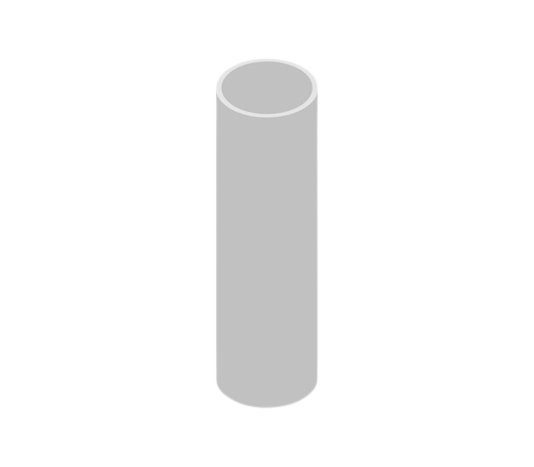
- PTFE tubing and pipes: specify outside diameter, inside diameter and length. Identify any requirement for a braided, fitted or pressure-rated hose assembly separately.
- Custom-machined PTFE parts: request evaluation against a drawing, tolerances and quantity.
Selecting unfilled or filled PTFE
Start by reviewing APAFLON® 100001 (100% PTFE). If you require a filled grade, also provide the current material code and technical data sheet. Unfilled and filled PTFE must not be treated as interchangeable without reviewing the filler, part design and contact medium.
A chemical compatibility chart alone is not a guarantee of pressure capability, sealing performance, wear resistance or service life. Continuous operation and short-term contact, as well as normal processing and cleaning cycles, must be assessed separately.
What information should you send for a quotation?
- Part and dimensions: product form, dimensions, units, tolerances, drawing and quantity.
- Chemical environment: fluid name, mixture composition, concentration and safety data sheet, where available.
- Operating conditions: normal and maximum temperature, pressure or vacuum, and continuous or intermittent operation.
- Mechanical conditions: static or moving use, contact surface, speed and any problem with the existing part.
- Cleaning and documentation: cleaning chemicals, cycle conditions and required quality documents.
- Supply requirements: requested delivery date, destination and repeat-order needs.
Request a technical review and quotation
Send a quotation request for your chemical application. Email drawings or specifications to satis@apameya.com, including your company name and enquiry reference. Phone: +90 (216) 597 11 15.
The suitable grade, manufacturability, price and lead time are confirmed after technical review. This page is not a certificate of suitability for a specific chemical or a pressure/temperature rating.
Frequently asked questions
Is every PTFE part suitable for every chemical?
No. The material grade, chemical composition and operating conditions require a separate suitability assessment. A general industry-use table does not automatically approve a particular process.
Can a photograph alone support a firm quotation?
A photograph can help with preliminary assessment. Without dimensions, tolerances, material and quantity, final manufacturing requirements and quotation scope remain to be confirmed.
What if I do not know the existing material code?
Describe where the part is used, the chemicals it contacts and its operating conditions. Colour or appearance alone must not be used to identify an exact formulation or equivalent grade.
How to read the industry-use table: The existing table below shows general fields of use. A “+” is not approval for a specific chemical, concentration, temperature or pressure. Final grade selection requires technical review.
On narrow screens, scroll the table horizontally to view the remaining columns.
| CHEMISTRY | OIL, GAS AND ENERGY | TEXTILE | HYDRAULIC | FOOD | DEFENSE AND WEAPONRY |
AUTOMOTIVE | MARITIME | AGRICULTURE | |
| APAFLON 100001 | + | + | + | + | + | + | + | + | + |
| APAFLON 202501 | + | + | + | + | + | + | + | + | |
| APAFLON 203501 | + | + | + | + | + | + | + | + | |
| APAFLON 404001 | + | + | + | + | + | + | + | ||
| APAFLON 404011 | + | + | + | + | + | + | + | ||
| APAFLON 404021 | + | + | + | ||||||
| APAFLON 406001 | + | + | + | + | + | + | |||
| APAFLON 501501 | + | + | + | + | + | + | |||
| APAFLON 501521 | + | + | + | ||||||
| APAFLON 502501 | + | + | + | + | + | + | |||
| APAFLON 701001 | + | + | + | ||||||
| APAFLON 801001 | + | + |